Why a wider product range can reduce sales and how to adapt to tomorrow's buyer
The paradox of choice: how a vast product range suppresses sales
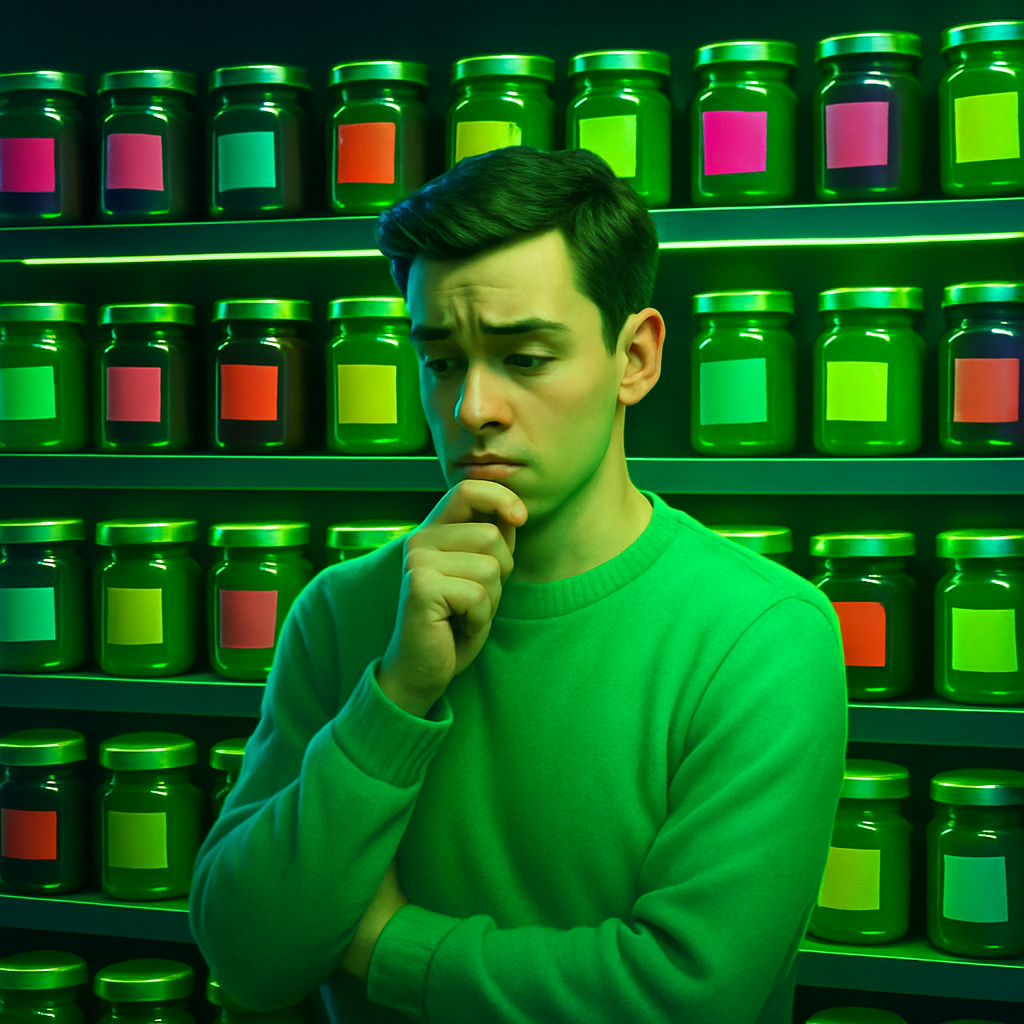
Consumer-behaviour research supports the phenomenon known as the paradox of choice. A display offering 24 jam varieties attracts more attention than one offering 6, yet sales with the broader range are 10 times lower.
The cause lies in choice psychology. Faced with many equivalent options and no clear evaluation criteria, the brain shifts from active choice to a defensive strategy of avoiding mistakes. Overload follows, often ending in no purchase.
An abundance of options can increase anxiety about making the right choice. Rather than deciding, people postpone the purchase, reducing overall sales conversion. Expanding a range without considering customer psychology can therefore make a shop or website less effective.
Modern buyer behaviour: what influences decisions when there is too much choice
In 2026, buyers increasingly face enormous numbers of offers, affecting their decisions. An extensive range is no longer the main basis for product choice: people act quickly, scan superficially and focus on a few key aspects.
Today's shopper typically scrolls through several screens of products, paying particular attention to the main images, price, ratings and delivery time. This makes it easier to rule out options that fail to meet basic expectations and focus on the most attractive offers. According to the research cited, around 38% of users actively look for discounts while also considering high product ratings. This highlights the importance of getting the best value when time to choose is limited.
A wide range is becoming less decisive in quick purchase decisions. Too many options often create information overload and slow buying, reflecting limited attention and the desire to minimise the effort of choosing.
The task for companies and marketers is therefore to make product presentation as simple and focused as possible. Buyers should be able to find relevant information quickly without reviewing many similar offers. This reflects the wider trend towards shorter decision times and more efficient customer interactions in an oversaturated market.
Three reasons customers abandon a purchase when faced with a large product range
A large number of product options creates psychological barriers that affect buying decisions and can lead to postponement or cancellation. Let's examine the main reasons people abandon purchases under these conditions.
The first scenario: choice paralysis
Many similar products in one category can cause choice fatigue. Near-identical product cards without clear differences create information overload. Instead of making an active decision, the brain shifts towards avoiding mistakes. The buyer postpones the purchase or leaves without buying.
The second scenario: inflated expectations
A large product range increases the risk of unrealistic expectations. Product specifications or visuals may suggest quality or uniqueness that the actual product does not deliver. When buyers encounter that mismatch, they may abandon the purchase and lose trust.
The third scenario: regret over the choice made
Even after purchase, an extensive range can increase doubt. Buyers may think another product would have been better, leading to returns and fewer repeat purchases. This harms loyalty and marketing effectiveness.
Understanding these scenarios supports marketing strategy and range optimisation, reducing abandonment risk and increasing purchase likelihood.
Adapting marketing and product listings for the buyer of 2026
From 2026, buyers increasingly expect product pages to do more than provide information: they must enable quick, comfortable decisions. The key task is to help someone confidently choose a suitable option and stop searching, rather than simply prove the product's superiority.
Improving visual clarity plays an important role. A design change emphasising realistic product size and detail showed a substantial conversion increase, up to 36%. This approach reduces doubts and speeds up selection.
A clear, simple explanation of the differences between the models is another effective tool. Even with unchanged pricing, clearly describing distinctive features increases sales by 1.6 times, helping buyers quickly identify the right option.
At the same time, reducing the number of options in the range can sometimes improve profit more than expanding it. Too much choice can cause decision paralysis and reduce conversion.
Today's customers trust technology-based solutions: 72% are ready to use AI agents to simplify searches and reduce choice fatigue. Integrating these tools into the marketing system can substantially improve satisfaction and loyalty.
Adapting marketing and product pages to 2026 requires a systematic approach to a convenient, transparent choice process. The aim is to help buyers make a purchase comfortably and confidently.