UX/UI trends for 2025: visual decisions that improve conversion
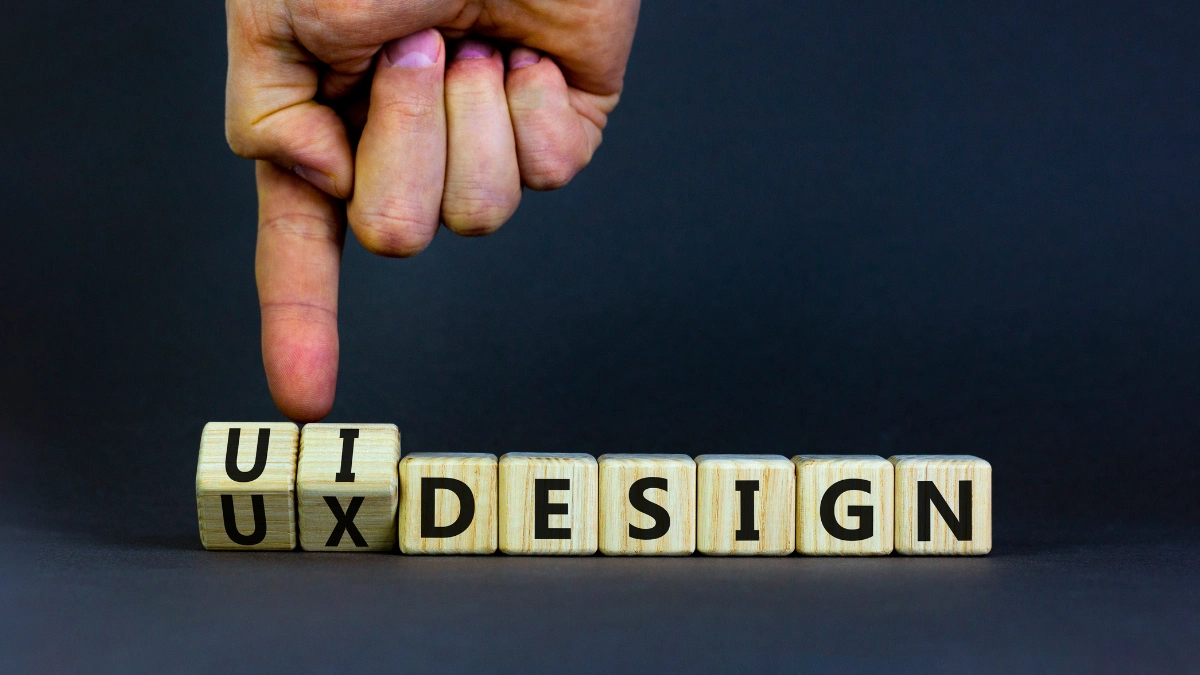
With stronger digital competition, UX and UI are more than aesthetics: they affect conversion, sales and loyalty. Expectations rose in 2025. People do not want to figure out how a website or service works; they leave if it is unclear, inconvenient or visually unappealing.
This article explains UX/UI, how they differ from traditional web design and which visual approaches support conversion in 2025.
What UX and UI design mean
UX (User Experience) - the user's experience of a product, including convenience, logic, navigation, speed and the overall feel of a website or app.
UI (User Interface) - the visual interface: fonts, colours, buttons, icons, illustrations, animation and other visible elements.
In other words:
-
UX determines how it works,
-
UI determines how it looks.
Beautiful UI cannot fix poor UX, while usable but dated visuals can also deter visitors.
UX/UI vs. traditional web design
Web design - a broader field covering page structure, graphics, branding and platform adaptation. Earlier work focused mainly on appearance.
UX/UI design is combining analytics, psychology and visual design, designed around user actions. UX/UI priorities:
-
User behaviour
-
Workflows and objectives
-
Encouraging action and conversion
-
In-depth analytics
UX/UI adds ease, clarity and effectiveness to attractive web design.
UX/UI trends improving conversion in 2025
1. Interface personalisation
Modern interfaces adapt to behaviour, location and preferences to show relevant information. Examples:
-
Product recommendations
-
Suggestions based on previous actions
-
Interactive forms with logic
Personalisation supports engagement and clicks.
2. AI interfaces and assistants
AI is becoming part of UX. In 2025, common applications include:
-
GPT-based chatbots
-
Predictive search fields
-
AI behaviour analysis and personalised interfaces
Helps people find information and improves the experience.
3. Minimalism and clean layouts
Design is moving towards clear structure rather than decoration:
-
Simple, compelling headlines
-
One clear CTA per screen
-
Minimal distractions
Improves navigation and reduces visual clutter.
4. Microanimations and interactivity
Small animations bring UX to life:
-
Help users understand what is happening
-
Provide visual feedback
-
Hold attention
Microanimations should have a purpose without overload.
5. Dark mode and adaptive lighting
Dark mode use grows in 2025. Effective interfaces:
-
Switch automatically with system settings
-
Allow manual topic selection
-
Use adaptive colour schemes
Makes use more convenient and extends reach.
6. UX writing and microcopy
UI is more than buttons; it is also what the text says. Tone, headings and wording affect behaviour. Examples:
-
'Start free' instead of 'Submit'
-
'Try for 3 days' instead of 'Register'
Good UX copy encourages action without pressure.
Why adopt useful UX/UI trends
UX/UI directly affects:
-
Visitor-to-enquiry conversion
-
Trust in the product
-
Time on site and browsing depth
-
Purchase decisions
Businesses updating UX/UI regularly gain higher ROI, more leads from existing traffic and stronger retention.
Conclusion
UX/UI in 2025 influences behaviour, brand trust and conversion. An online presence or attractive website is not enough: every page, button, form and piece of copy should supported the business objective: an enquiry, sale or subscription. People should know where to click, what they receive and feel comfortable throughout. That is the value of effective UX/UI.
Investing in usability and interfaces adapted to audience behaviour can reduce lead costs, improve loyalty and conversion, and strengthen long-term marketing performance. UX and UI are therefore not just about appearance, but about profit.
If you want your website to start support business objectives, not simply exist online, the team at Promarketing.tech helps audit UX/UI, find opportunities and implement conversion-focused visual improvements. Send an enquiry through the website - we show how interface design supports sales.