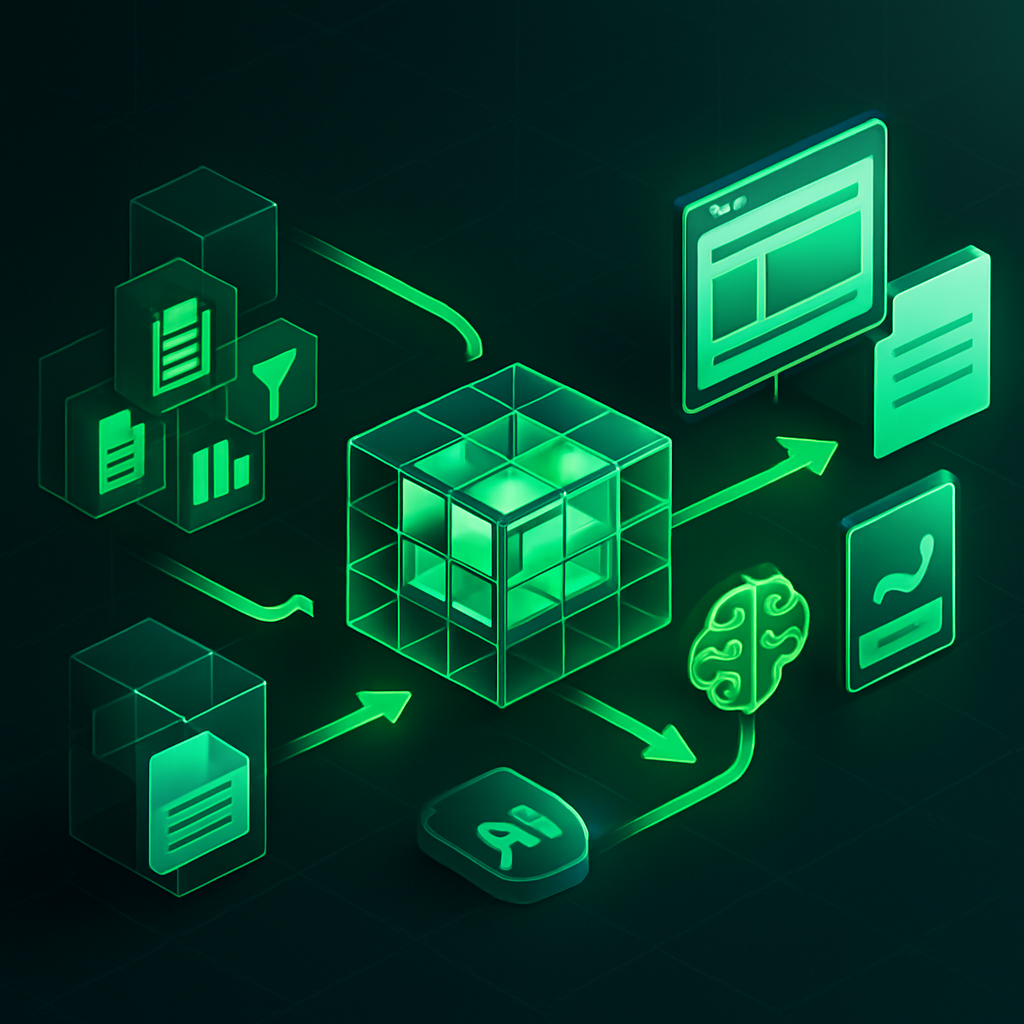
Managing AI agents: the new orchestration role in digital business

Digital business is changing. A good product is not enough; the processes around it must work efficiently. Fast enquiry handling, smooth customer interactions and rapid adaptation to market changes are key success factors.
A new working model is emerging: managing intelligent agents that complete complex tasks, interact with one another and external systems, and free people from routine work. These systems can analyse data, make context-aware decisions and even write code, changing how businesses view traditional processes and teams.
From execution to management: a changing professional role
As technology develops, employees move from direct execution towards coordinating digital assistants. Instead of manually configuring campaigns or writing code line by line, professionals define agent tasks, supervise the work and integrate results into business strategy.
This demands strategic thinking, clear task definition and critical evaluation of AI answers. Managing complex assistant systems becomes a competitive advantage, while coding skills become less central.
Intelligent agents in action
Modern AI systems can explore projects, identify outdated solutions, propose updates and even implement changes with supporting tests. Integrations with version control, databases and other tools make agents active participants in workflows.
Businesses can reduce routine work, rely less on large teams and make strategic decisions more flexibly.
AI agent management: challenges and opportunities
The main challenge is defining tasks clearly. Vague requests produce weaker results, and a person remains responsible for analysis and adjustment. Avoid pursuing productivity for speed alone: automate important, strategically useful work.
Management skills will become a key asset as AI expands human capabilities rather than simply replacing people. Combining technical knowledge and strategic thinking will enable professionals to orchestrate digital systems towards sustainable growth.
Conclusion: integrated digital marketing and agent management
More comprehensive automated monitoring brings businesses closer to systematic marketing that integrates strategy, analytics and innovation. AI agents open opportunities for development and scaling, but require stronger understanding and management.
For stable growth, less waste on ineffective channels and transparent analytics, consider an integrated approach with specialist solutions and expertise covering strategy through implementation.